They Eat Rice Every Single Day. Most Stay Slim Past 50. The Morning Habit Western Diets Never Copied.
Here is a puzzle that nutrition researchers have circled for years.
Spend a week in Chengdu or Kunming and pay attention to women in their fifties and sixties. Their daily plates are built on rice, noodles and steamed buns — more carbohydrate in a day than many Western diets allow in three. Gym culture barely exists for their generation.
And yet the middle-aged weight gain that feels inevitable in the West is, for most of them, simply absent.
The Numbers Don't Match the Diet
Population data has long shown obesity rates in China running far below those of the US and UK — despite a carbohydrate-heavy food culture. Genetics explain part of it. Portion habits explain a little more. But researchers kept bumping into something else: a shared daily ritual.
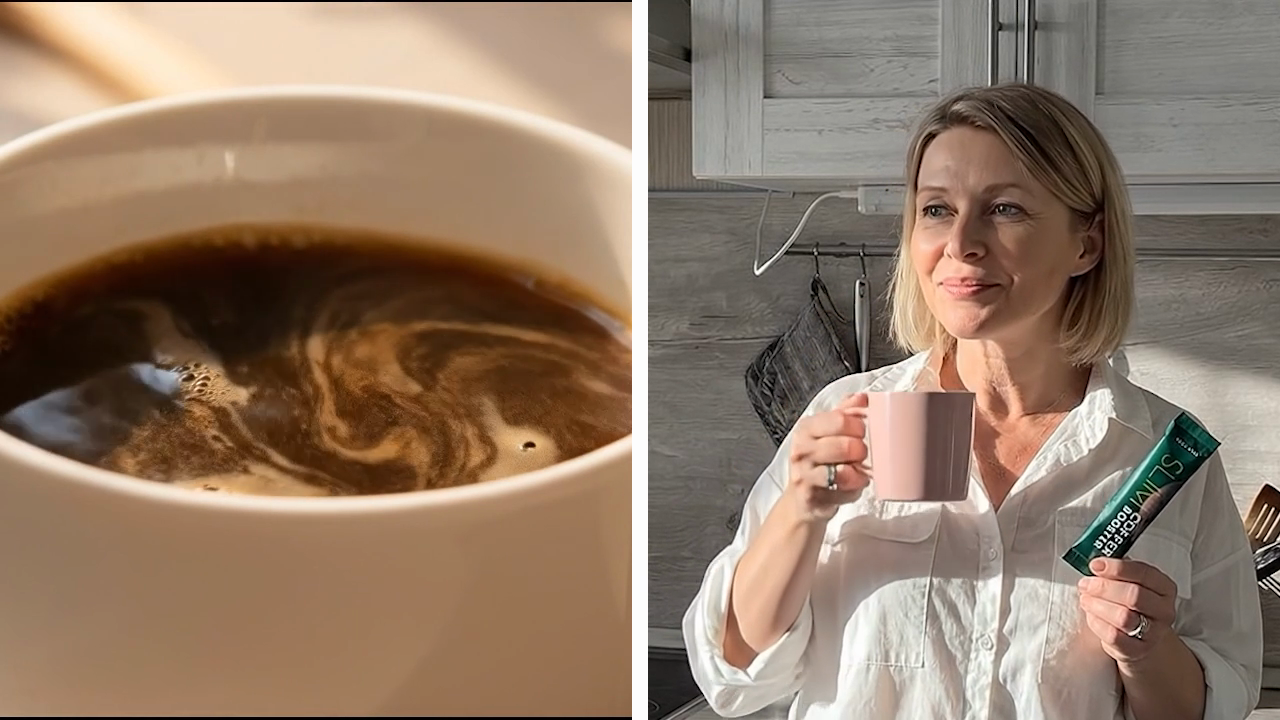
It happens every morning. And it starts with a hot cup.
An Old Idea Western Medicine Walked Past
Traditional Chinese wellness has always paid unusual attention to what you drink first thing in the morning — warm, plant-based infusions meant to "wake" digestion before the first meal. For centuries the explanation was framed in traditional terms that sounded unscientific to Western ears.
Then modern metabolic research caught up. The plants at the center of that ritual — above all Camellia sinensis, the tea plant — turned out to be rich in compounds that act exactly where midlife weight gain begins: the blood sugar response to a carb-heavy meal.
Studying why these infusions worked, researchers kept converging on a second compound found in unroasted coffee beans: chlorogenic acid, which has been studied for its ability to slow how quickly carbohydrates are absorbed.*
Four Compounds, One Morning Cup

(green tea)

(chlorogenic acid)

extract

Separately, each is interesting. Taken together in the morning — when coffee has already primed your metabolism — they cover the sequence that matters:
From Ritual to Routine: The Modern Version
You could try to rebuild this ritual yourself with loose teas and extracts. Or you could do what a formulation team did: combine all four compounds into a single unflavored sachet designed to dissolve into the coffee you already drink.
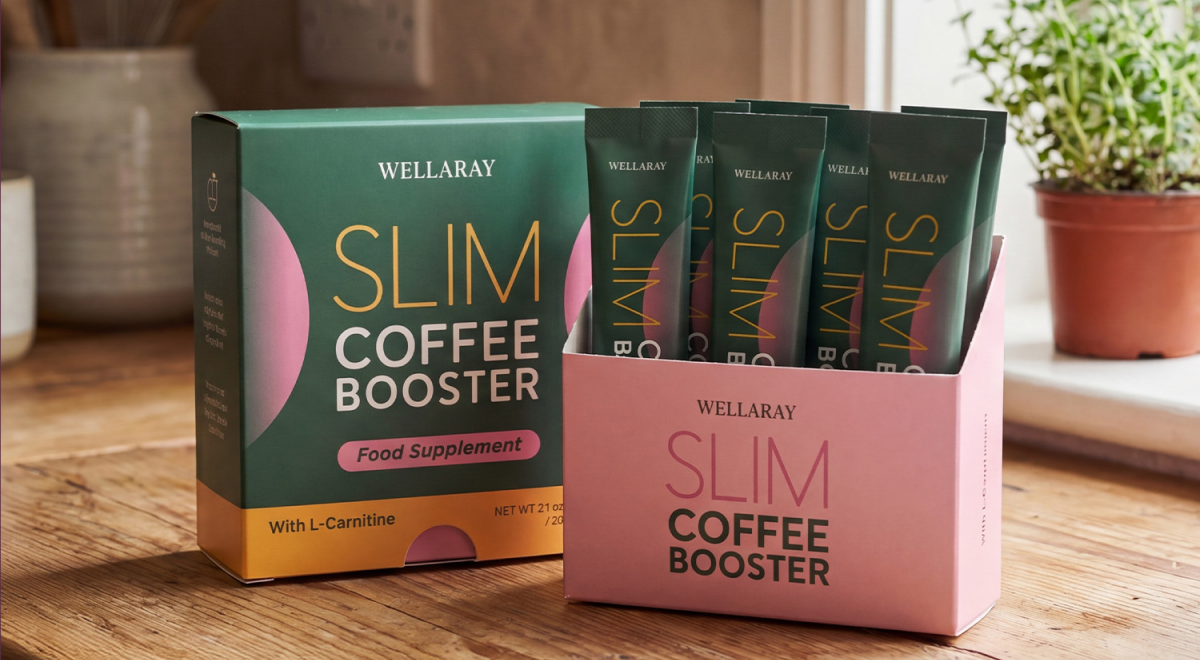
The result is Wellaray® Slim Coffee Booster. It doesn't change the taste, the color or the smell of your cup. It changes what the cup does.
Try the Morning Cup Ritual — 70% Off Today Only
What Happens When Western Women Try It
The early feedback follows a pattern. First the afternoon cravings lose their volume. Then energy stops dipping after lunch. And a few weeks in, clothes start reporting what the mirror hasn't announced yet.
No calorie counting. No cutting out rice, bread or pasta. No gym membership. Just the cup you were going to drink anyway, doing more work.*
Why Every Diet You've Tried Has Failed You
Here's the belief that keeps people stuck: that stalled weight loss is a discipline problem. Eat less, move more, try harder.
But if your morning starts with a blood sugar spike and your afternoon runs on cravings, you're fighting your own biology with willpower — and biology doesn't get tired. The morning ritual works at the start of that chain, not the end of it.*
The Catch
There is one. The maker is currently running a 70% introductory discount, and demand has repeatedly outrun stock. Every order also carries a 30-day money-back guarantee — if you don't feel a difference, you get a full refund and keep nothing but the habit of a nicer morning coffee.
The Bottom Line
The paradox was never magic. It's a morning habit with the right compounds in it — one that takes about seven seconds to adopt.
What Other Customers Are Saying:
Get 70% Off — Try the Morning Cup Ritual